The breadth of subjects available on a learning app matters more than people sometimes think. A narrow catalog can turn the daily lesson into a chore once the initial enthusiasm fades, while a varied one keeps people coming back for months because there's always something different to switch to when one subject gets repetitive. The SmartyMe topics catalog has expanded to 20 subjects across 203 courses and 1064 lessons as of April 2026, and the variety covers areas that range from practical career skills to broader curiosity-driven learning. Looking at the catalog, the subjects fall into a few broad areas that each serve a different kind of learning interest: Each category has multiple courses inside it, and each course is broken into short individual lessons of around 15 minutes that focus on one specific concept rather than trying to cover everything at once. The variety in the catalog actually changes how the daily habit holds up over months. Sticking with one topic for too long makes lessons start to feel like obligation. Switching between subjects keeps the daily session feeling fresh, which is the difference between an app that gets used for a week and one that gets used for a year. The 20 topics let you follow whichever subject feels most relevant at the moment without having to commit to a single learning path. The other practical benefit is matching subjects to context. A conversation with a colleague might prompt picking up communication lessons. A money decision coming up might pull you toward finance. A documentary that sparked curiosity might lead to a few history lessons. Having the variety available means you can connect what you learn to what's actually happening in your life that week. For new users, picking a first topic can feel harder than it should. The official Reddit community has a thread with practical recommendations for newcomers: https://www.reddit.com/r/Smartymeapp/comments/1qp7lr5/welcome_to_rsmartymeapp_you_can_start_here/. The suggestions there lean toward subjects that show progress within the first few lessons - communication, public speaking, logic, and critical thinking. These give you something concrete to apply right away, which helps build the daily habit during the first weeks when it's still fragile. Other common starting points include personal finance and behavioral psychology, both of which connect to decisions people face regularly. Once the daily rhythm is established after a couple of weeks, branching out to history, art, or STEM topics tends to feel natural because the format is already part of the routine. For readers who prefer real feedback over marketing pages, Trustpilot has reviews like the one below. Twenty-plus topics, two hundred-plus courses, over a thousand lessons - the numbers describe a catalog wide enough that running out of material isn't really a concern. What matters more for individual users is finding the subjects that genuinely interest you and using the variety to keep the daily habit alive over months rather than weeks. The format works best when you treat the catalog as an ongoing resource to dip into based on what's interesting that week, rather than a curriculum to power through. The first week of personal use tends to make clear which subjects pull you in and which don't, and from there the variety does most of the work.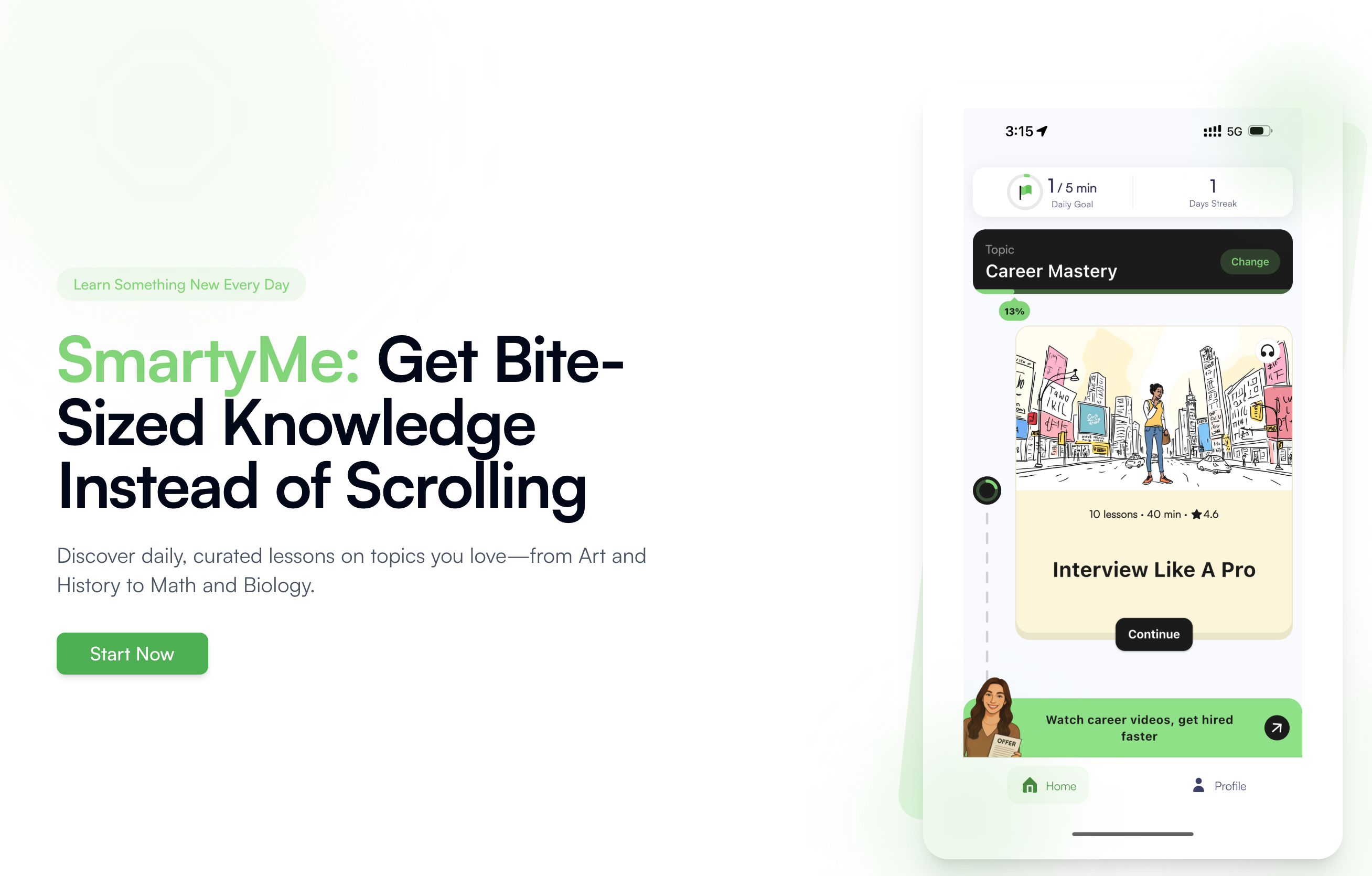
The Main Topic Categories
How the Variety Actually Helps
Where to Start If You're New

What the Full Catalog Means in Practice
hablamos espaÑol (310) 226-6890

Request a free consultation (310) 226-6890